

 EN
EN
Kaixin, een hightech onderneming gespecialiseerd in R&D, productie en verkoop van polymeer pijpleidingkleppen.
Materiaalkunde / Loodgieterssystemen
PVC versus CPVC: de stille techniek achter elke montage
Twee materialen, één gedeelde oorsprong en één enkele chloreringsstap die een koudwaterwerkpaard onderscheidt van een hittebestendige specialist. Dit is wat hen feitelijk onderscheidt – en waarom de keuze belangrijker is dan de meeste installateurs beseffen.
Het verschil tussen PVC- en CPVC-fittingen is niet cosmetisch. Het is moleculair. Beide beginnen als dezelfde vinylchloridehars, maar één extra productiestap – post-chlorering – verandert de manier waarop elk materiaal zich gedraagt onder hitte, druk en tijd.
PVC blijft de standaard voor koudwater-, drainage- en irrigatiesystemen en wordt gewaardeerd om zijn betaalbaarheid en brede beschikbaarheid. CPVC, verder gechloreerd tijdens de productie, verdraagt temperaturen tot 200°F (93°C) — bijna 60 graden verder dan wat standaard PVC veilig aankan. Dat ene onderscheid bepaalt bijna elke beslissing verderop in de keten: naleving van de code, levensduur en waar elke fitting thuishoort in de sanitaire architectuur van een gebouw.
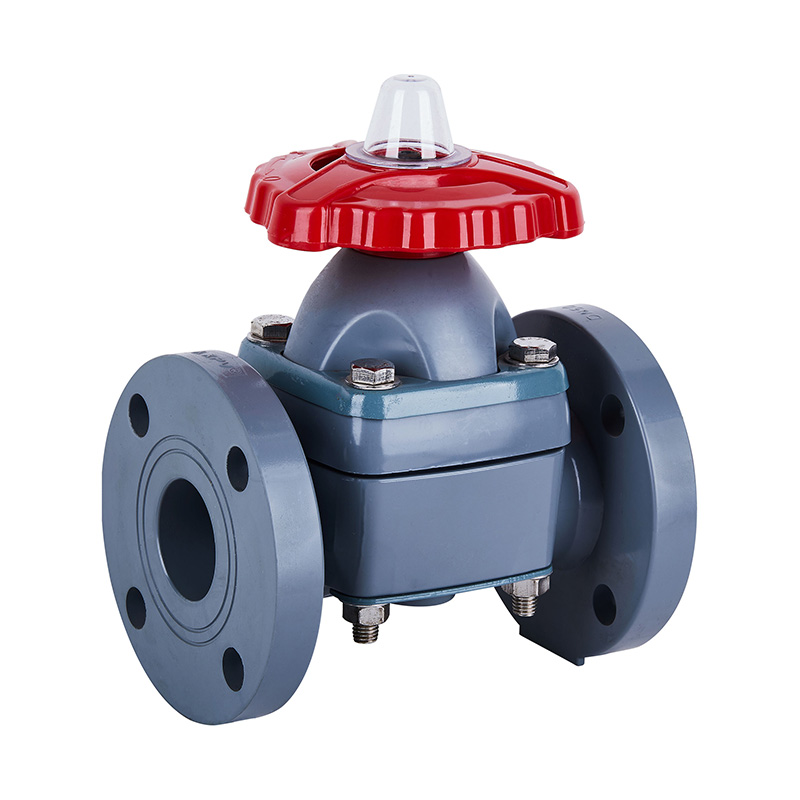
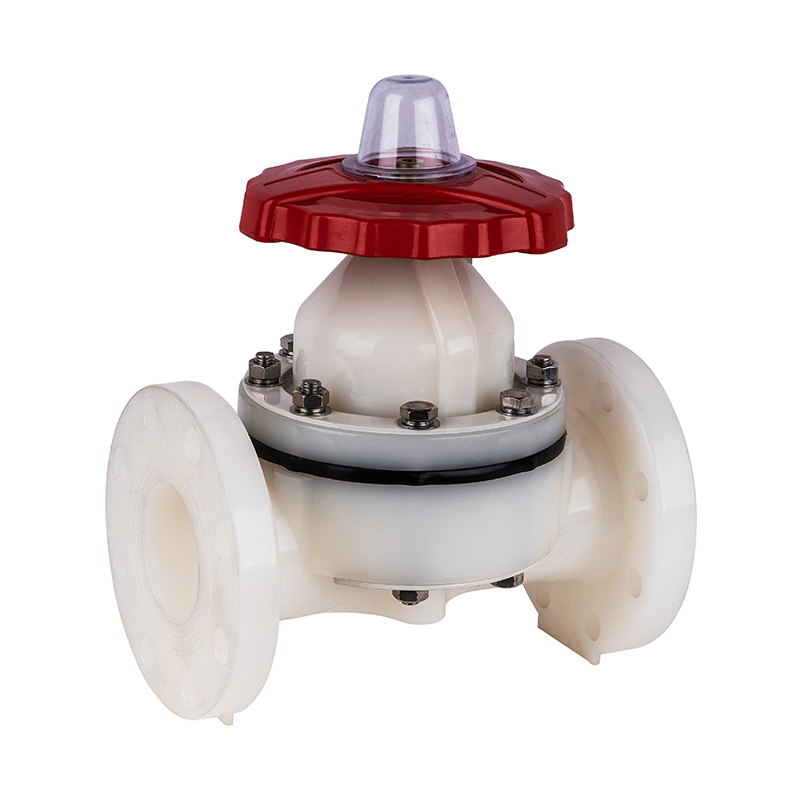
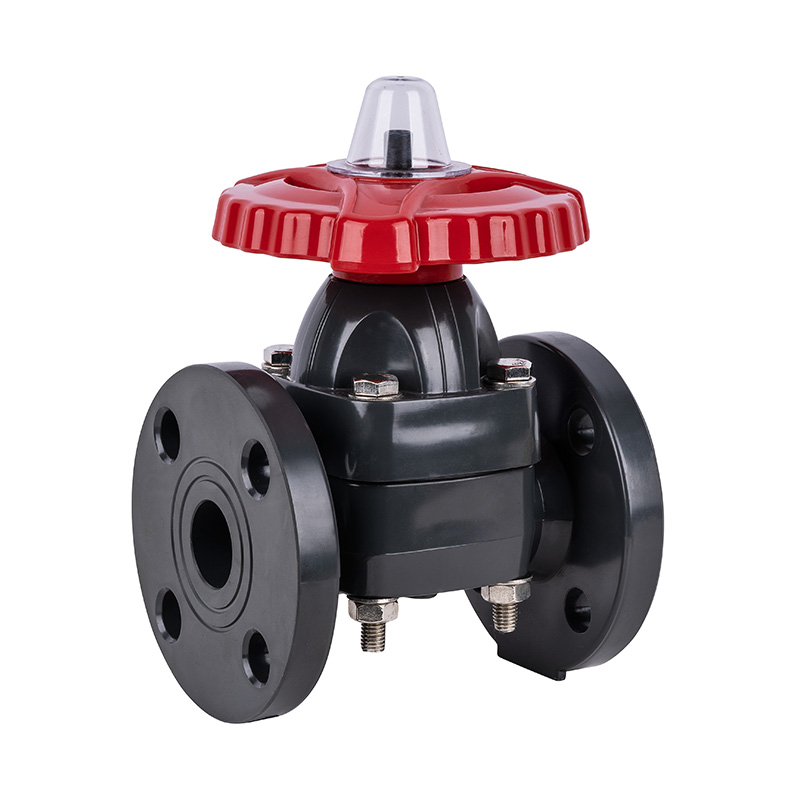
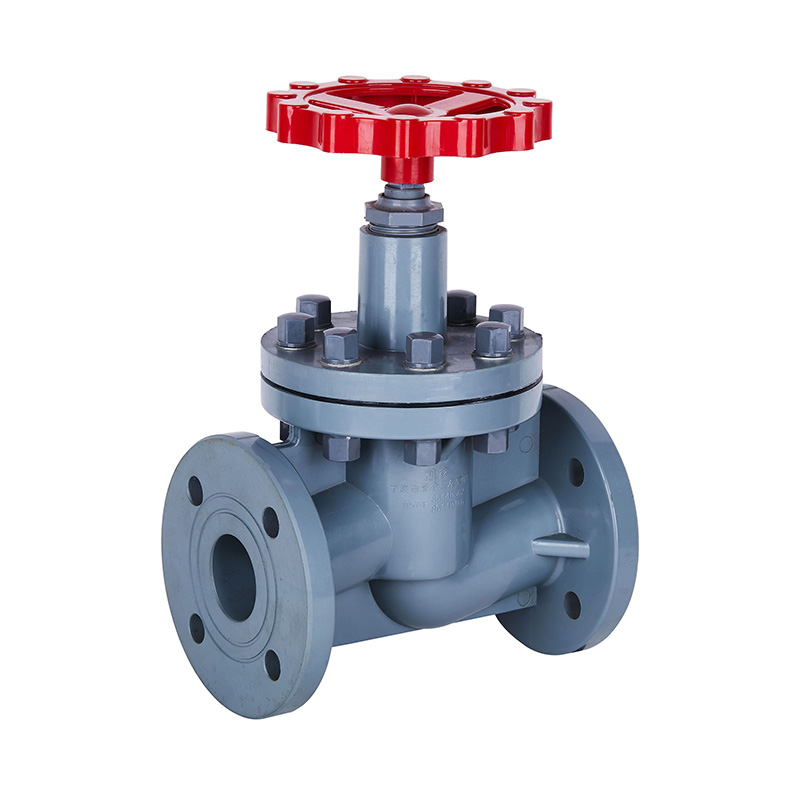
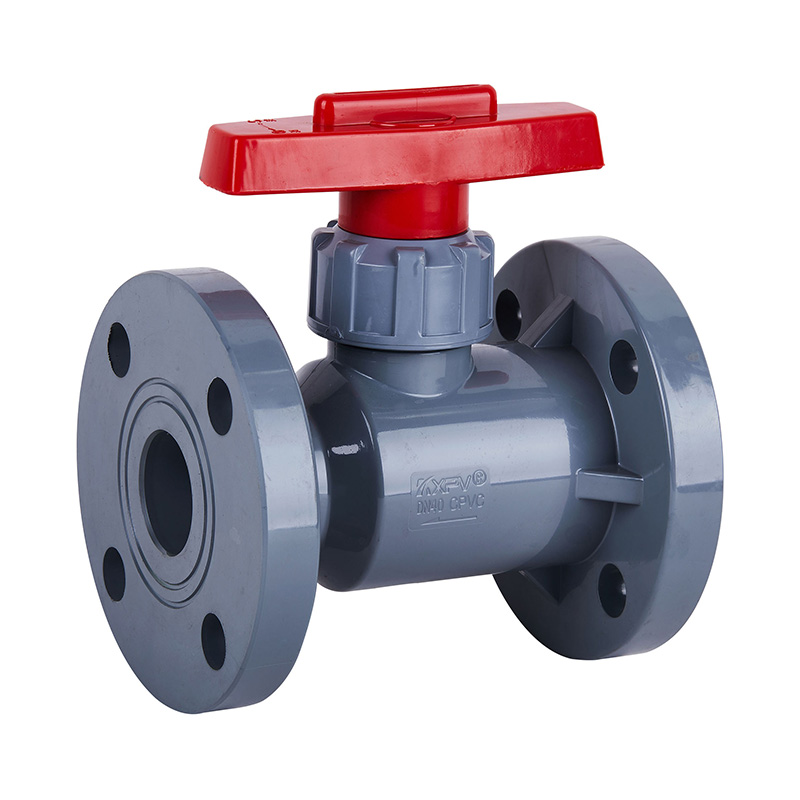
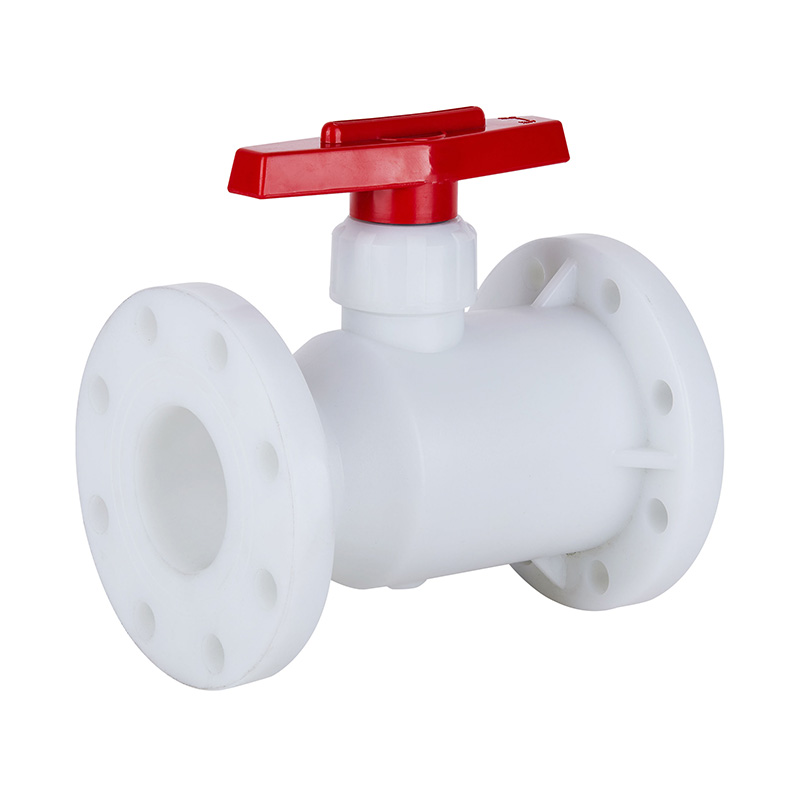
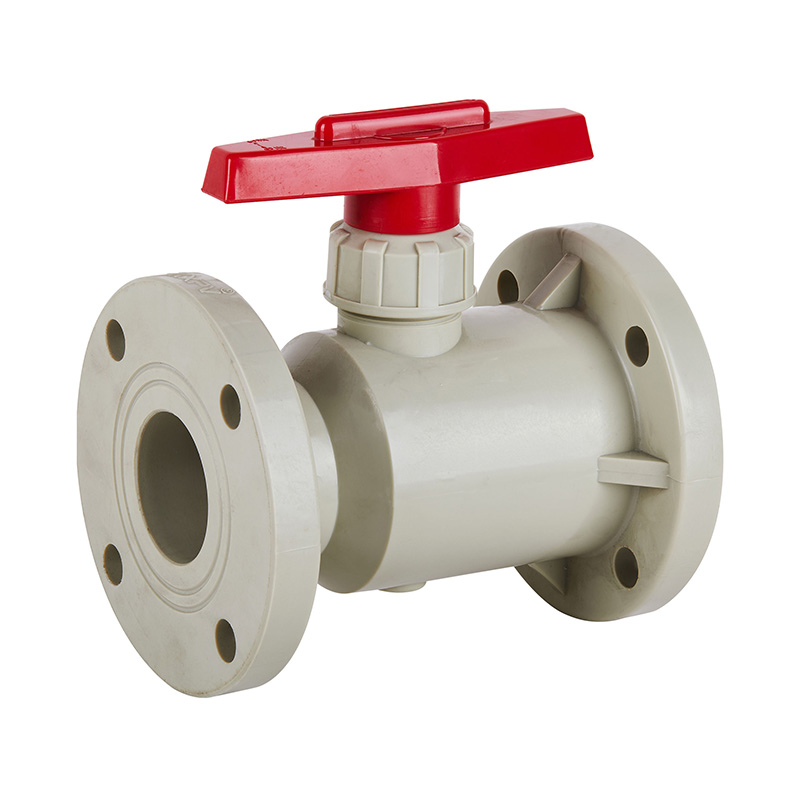
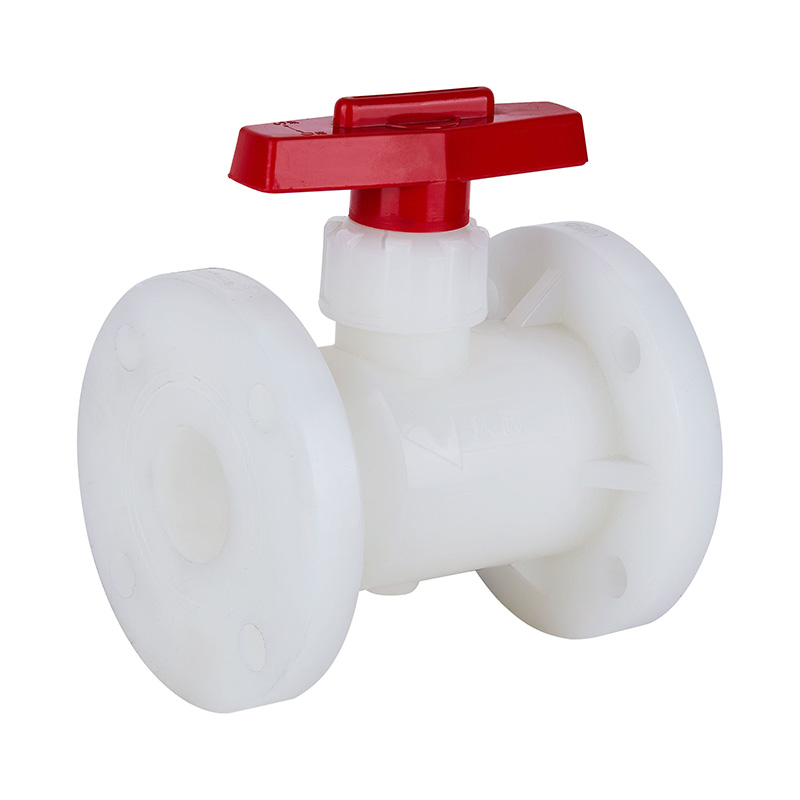
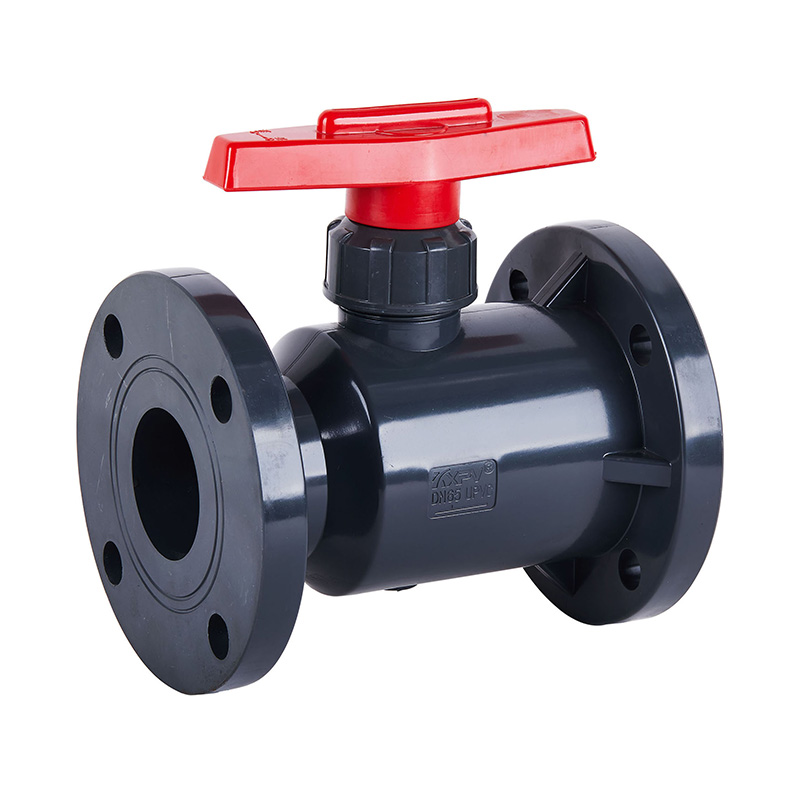
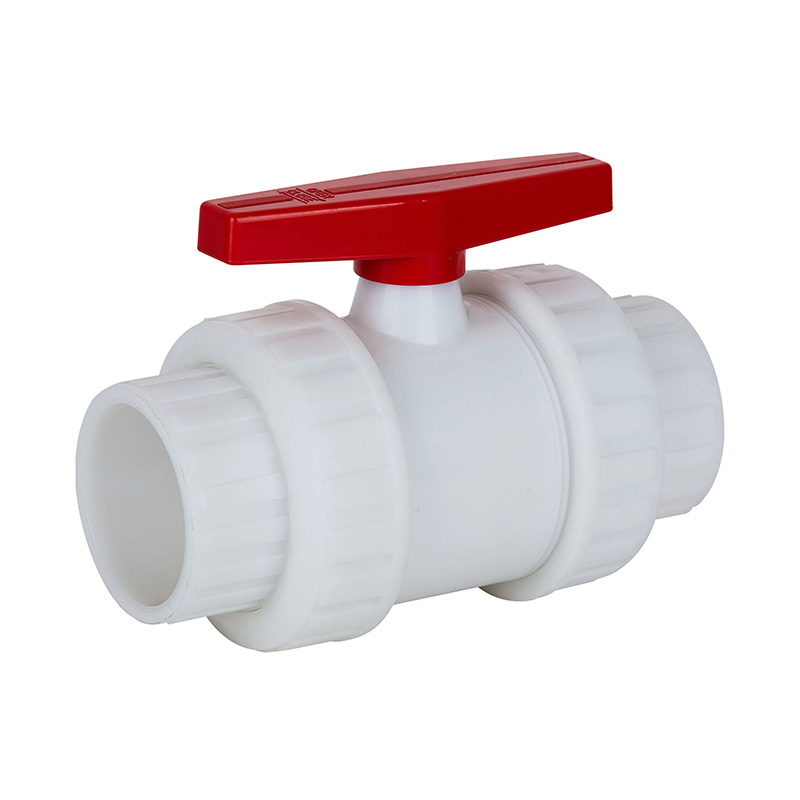
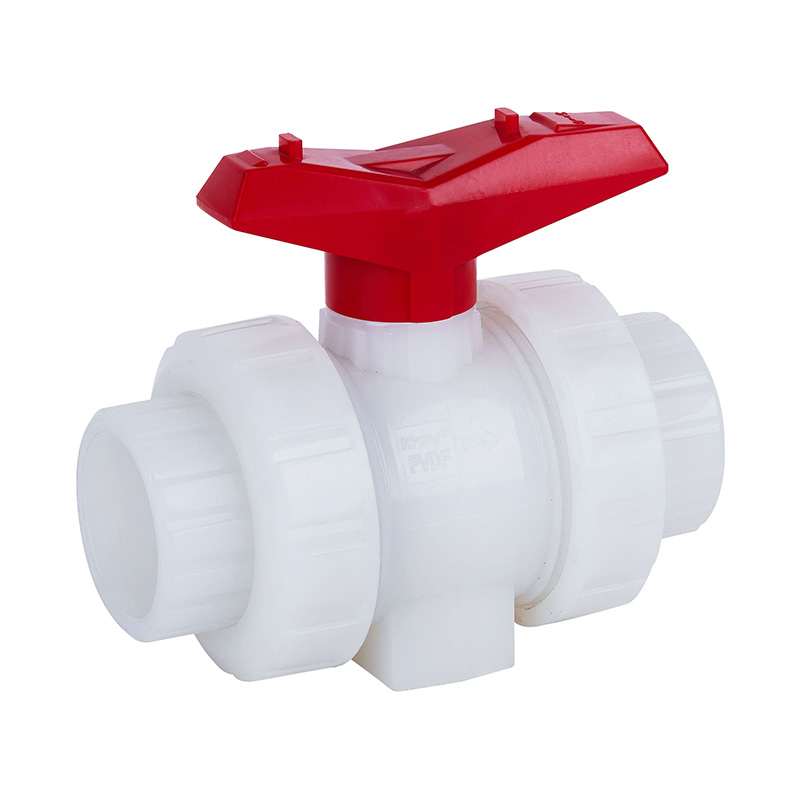
PVC-buisfittingen
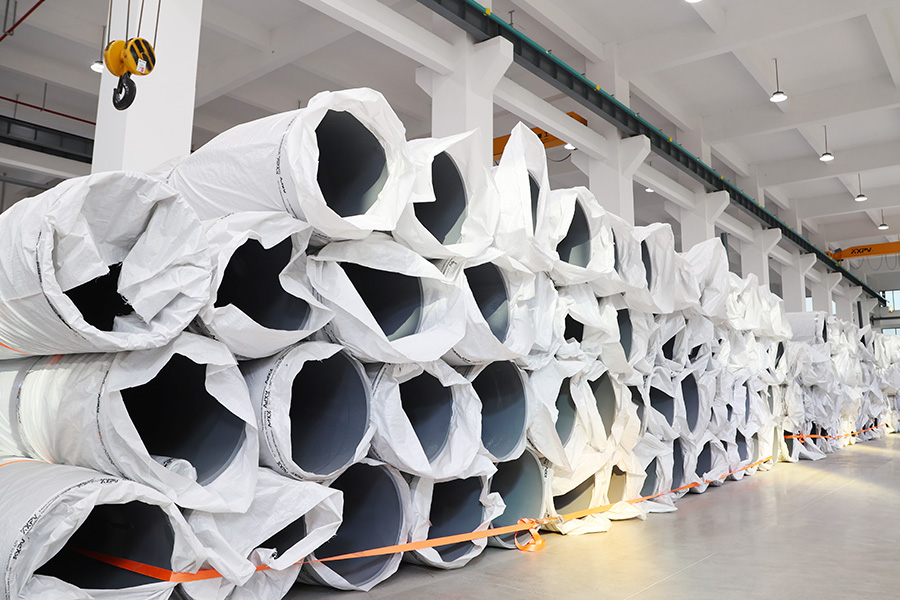
Een gedeelde oorsprong, een uiteenlopend pad
De productie begint op dezelfde manier: vinylchloridemonomeer gepolymeriseerd tot stijve thermoplastische hars, gestabiliseerd en geëxtrudeerd. CPVC wijkt af wanneer fabrikanten extra chlooratomen in de polymeerketen introduceren, waardoor het chloorgehalte stijgt van ongeveer 57% naar maar liefst 69%. Het resultaat is een dichtere moleculaire structuur, beter bestand tegen afbuiging door hitte, oxidatie en langdurige thermische stress.
De extra chloreringsstap kost meer om te produceren, maar levert bijna zestig graden extra thermische speelruimte op, wat de hele reden is dat CPVC als een aparte materiaalcategorie bestaat.
Dit is de reden waarom CPVC meer kost per fitting, en waarom het vervangen van het oplosmiddelcement van het ene materiaal door dat van het andere een van de meest voorkomende (en kostbare) installatiefouten is bij sanitair in woningen.
Prestaties in één oogopslag
| Eigendom | PVC | CPVC |
|---|---|---|
| Maximale bedrijfstemperatuur | 140°F (60°C) | 200°F (93°C) |
| Chloorgehalte | ~57% | 63-69% |
| Treksterkte | 7.000 psi | 8.000 psi |
| Typische kosten | Lagere basislijn | 10-30% hoger |
Waar elk materiaal thuishoort
Correct kiezen gaat minder over voorkeur en meer over het afstemmen van materiaal op de thermische realiteit. Twee lijsten, twee heel verschillende vacaturesites:
Reik naar PVC als het om de lijn gaat -
- Koudwatervoorziening in woningen en commerciële gebouwen
- Afvoer-, afvoer- en ontluchtingssystemen (DWV).
- Ondergrondse irrigatie en landbouwdistributie
- Zwembad, spa en algemeen sanitair met lage temperatuur
Reik naar CPVC als de lijn betrekking heeft op -
- Warmwatervoorziening, residentieel of commercieel
- Brandsprinklersystemen waarvoor een UL/FM-vermelding vereist is
- Industriële procesleidingen die hete, corrosieve vloeistoffen transporteren
- Omgevingen waar koper heeft gefaald door pinhole-corrosie
De cementfout die systemen in de steek laat
Oplosmiddelcement is geformuleerd voor de chloordichtheid van de bijpassende hars. PVC-cementverbindingen PVC; CPVC-cementverbindingen CPVC. Cross-applicatie levert een verbinding op die er bij installatie goed uitziet en maanden later faalt onder drukcycli - een stille, dure fout.
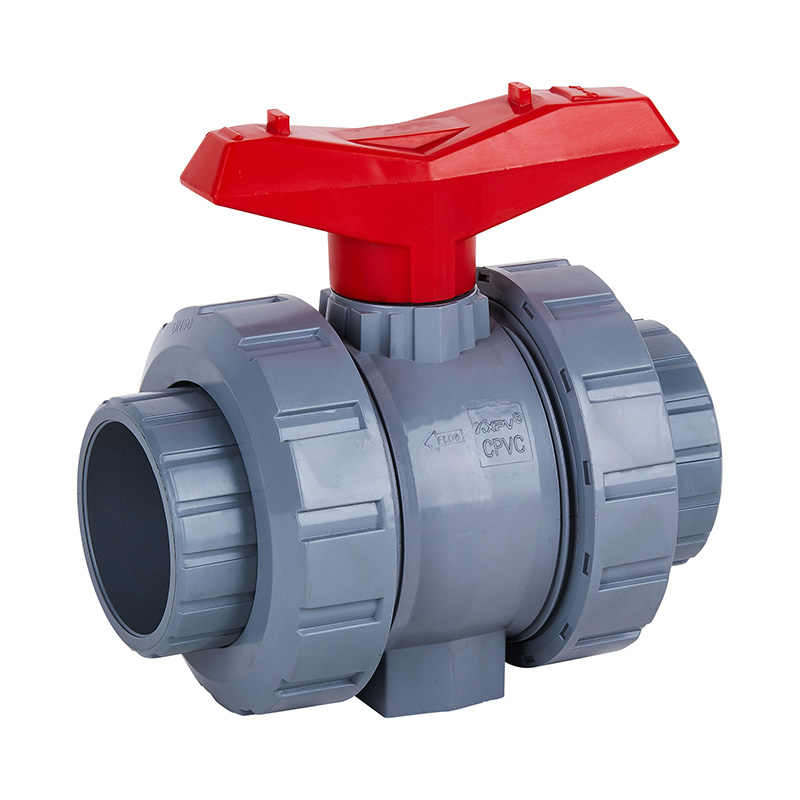
CPVC-buisfittingen
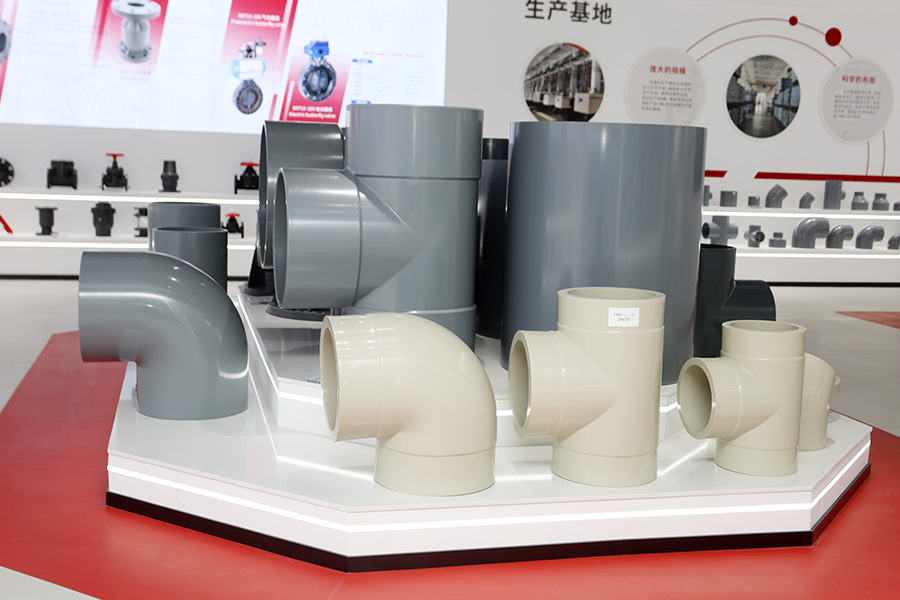
Waarschuwing
Vervang CPVC-fittingen nooit door PVC-cement, of omgekeerd. De band kan compleet lijken, maar structureel ondeugdelijk blijven.
Info
CPVC-wanden zijn doorgaans dunner dan PVC bij gelijkwaardige drukwaarden, omdat de inherente dichtheid van het materiaal ervoor zorgt dat minder materiaal meer werk kan doen.
Kosten versus levensduur
De hogere eenheidskosten van CPVC worden vaak gecompenseerd door wat het voorkomt: corrosiereparaties, gaatjeslekken en voortijdige vervanging die gebruikelijk is bij metalen alternatieven. Bij warmwatersystemen is CPVC presteert routinematig betrouwbaar gedurende 50 jaar of langer , waardoor de premie vooraf een waardeberekening op de lange termijn wordt, in plaats van een eenvoudige prijsvergelijking.
Succes
Voor grote koudwater- of drainagetrajecten levert standaard PVC volledige prestaties tegen aanzienlijk lagere materiaalkosten - geen compromissen, geen overspecificatie.
Een selectiechecklist van vijf punten
- Zal de leiding ooit water boven de 140°F transporteren? Zo ja, specificeer CPVC.
- Verplicht de lokale code een specifiek materiaal voor warmwater- of brandbeveiliging?
- Zal de fitting in direct zonlicht staan? Plan dienovereenkomstig voor UV-bescherming.
- Wat is de piekdruk van het systeem bij de hoogste bedrijfstemperatuur?
- Is het oplosmiddelcement correct afgestemd op het bevestigingsmateriaal?
Gevaar
Het overschrijden van de nominale temperatuur van een materiaal leidt niet tot onmiddellijk falen; het veroorzaakt geleidelijke verzachting en spanningsscheuren die maanden of jaren later aan de oppervlakte komen.

 Hoofdkantoor: No. 539 Bohai Road, Beilun District, Ningbo City, provincie Zhejiang, P.R. China
 +86-18067123177